How to Pose Women Who Aren't Models: A Photographer's Guide
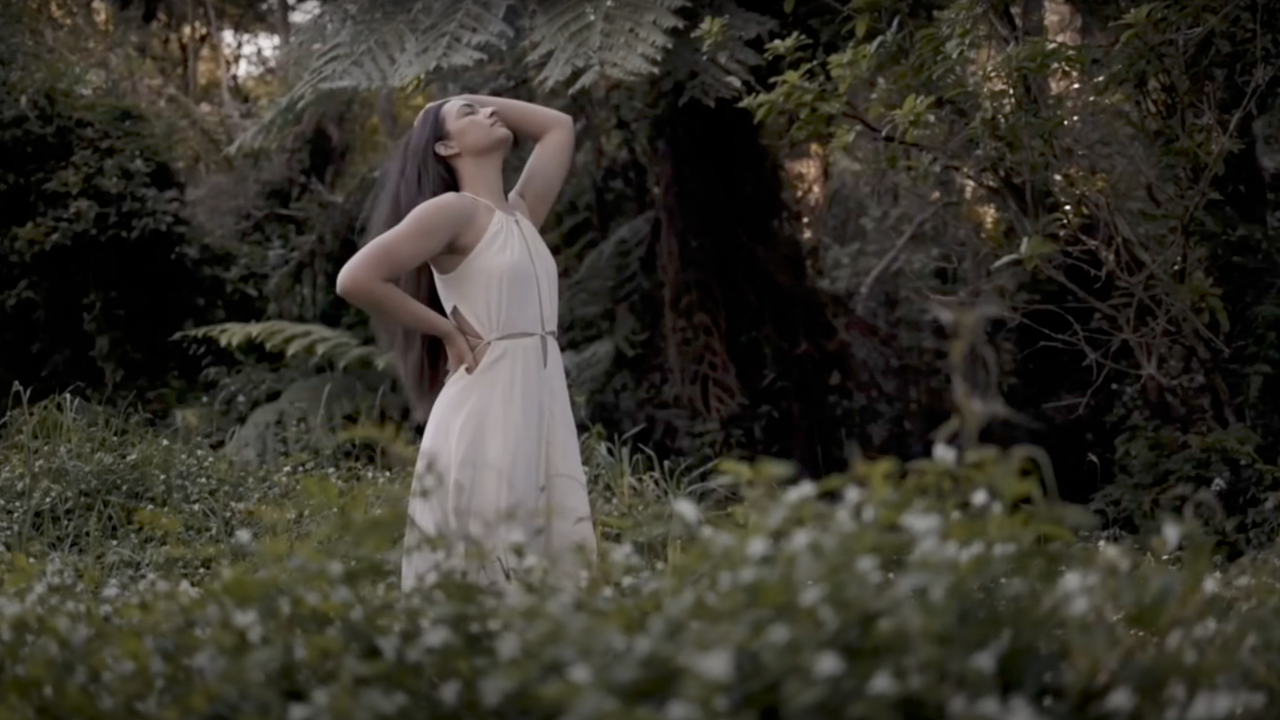
How to Pose Women Who Aren't Models
One of the biggest challenges you face as a portrait photographer isn't necessarily your camera, your lighting or even finding beautiful locations.
It's knowing what to do when your client steps in front of your camera and says, "I'm so awkward in photos."
Sound familiar?
Maybe you've had a client ask you what to do with her hands, or you've found yourself repeating the same three poses because you're running out of ideas. Perhaps you've even felt your own confidence drop when you realise your client is looking to you for direction and you aren't entirely sure what to say next.
I've been there, too.
Over the years, I've photographed hundreds of women, and one thing I've learned is that you don't need a model to create beautiful portraits. You need to know how to direct the woman standing in front of you.
Most women who book a photoshoot aren't professional models. They don't automatically know how to position their bodies, where to look or what to do with their expressions. Many arrive feeling nervous, self conscious or convinced they simply aren't photogenic.
And that is completely okay.
Your job isn't to find women who already know how to pose. Your job is to help them feel comfortable enough to be themselves, while guiding them into beautiful photographs.
In this guide, I'm sharing some of the posing techniques and practical prompts you can start using at your next shoot to create more natural, confident portraits of women who aren't models.
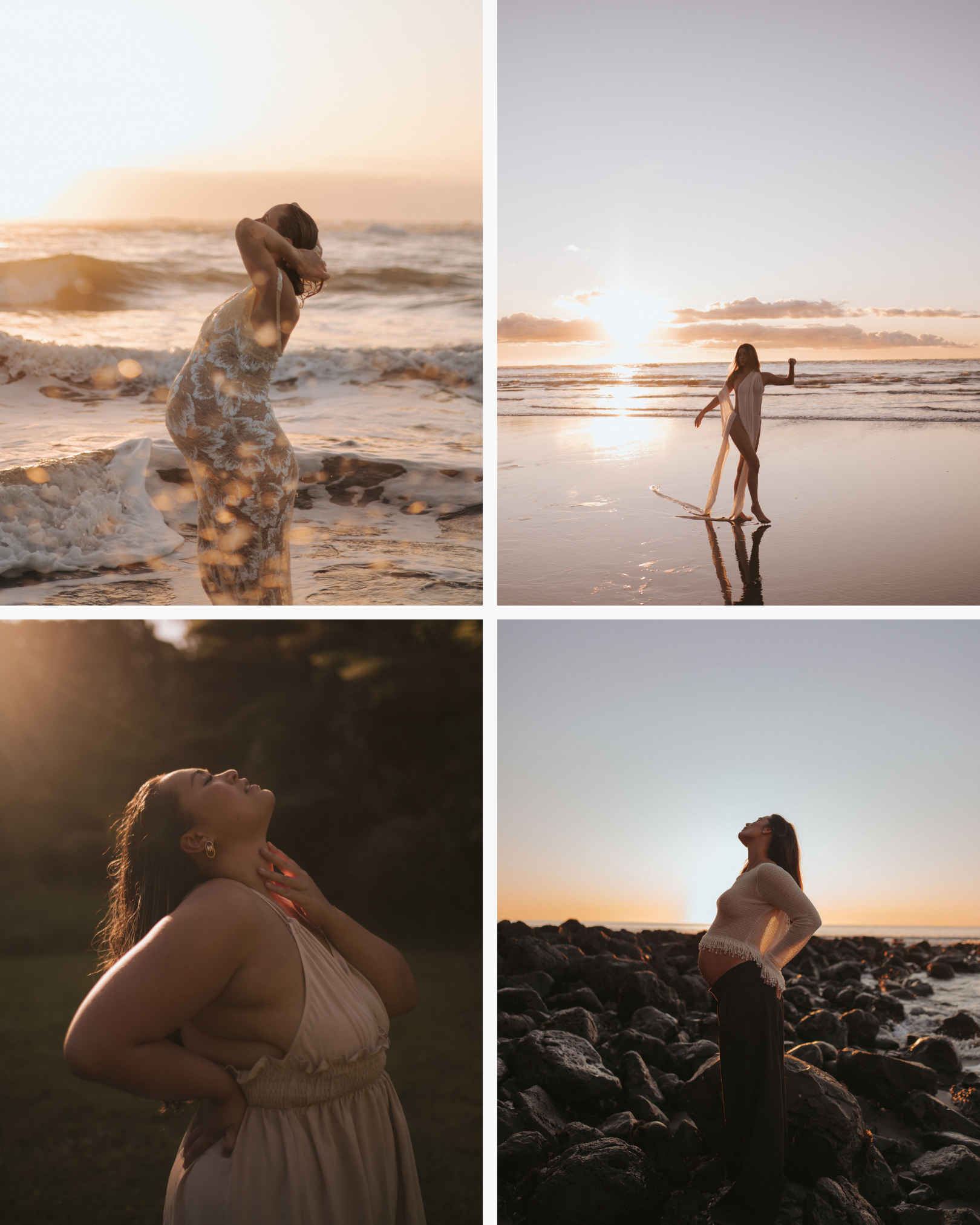
1. Stop thinking in poses and start thinking in movement
One of the biggest mistakes I see beginner photographers make is trying to remember a huge list of poses.
You might have saved hundreds of Pinterest images, created mood boards and even practised poses yourself in the mirror. But when you're actually standing in front of your client, all those ideas suddenly disappear.
The problem is that a static pose is only one moment in time.
Real people often look and feel more natural when they're given something to do rather than being told to hold a particular position.
Instead of simply saying, "Put your hand on your hip," try building a sequence of small movements.
For example, you could ask your client to:
-
Turn her body slightly away from the camera.
-
Shift her weight onto her back leg.
-
Gently bring her face back towards you.
-
Look down for a moment, then slowly look up.
-
Take a breath and soften her shoulders.
As she moves through these little adjustments, keep photographing.
You may find that the most beautiful image happens somewhere between the instructions, when her expression changes or her body settles into a more comfortable position.
The secret is to give your client something to do, rather than expecting her to know how to pose.
2. Give your clients specific instructions
Imagine standing in front of a camera and hearing, "Just be natural."
What does that even mean?
For someone who already feels awkward, being told to look natural can make the entire experience even more uncomfortable. Suddenly, she's thinking about how she looks, whether she's doing it right and what she's supposed to do next.
Instead, break your directions into simple, specific actions.
Here are a few examples you can try.
| Instead of saying | Try saying |
|---|---|
| Relax | Take a slow breath and let your shoulders soften. |
| Look natural | Gently turn your face towards the light and look just past me. |
| Do something with your hands | Run your fingertips softly along your arm. |
| Smile | Think of someone who always makes you laugh. |
| Be confident | Stand tall, lengthen your neck and take up a little more space. |
| Move a little | Slowly turn towards me, then look back over your shoulder. |
Notice how each instruction gives the client something specific to focus on.
You aren't expecting her to understand photography terminology or magically know what looks good. You're guiding her through the process, one small step at a time.
And remember, you don't need to give her five instructions at once. Start with one movement, observe what happens and build from there.
3. Learn how to pose the hands
Hands are one of those little things that can make beginner photographers overthink an otherwise beautiful portrait.
Where should they go? Should the fingers be straight? What if the hands look too big or stiff?
Here's the thing. Hands don't always need to be doing something complicated. Often, a small, intentional gesture is enough.
Some simple options include:
Gently touching the face
Ask your client to bring her fingertips towards her cheek or jaw, keeping the gesture light rather than pressing her hand firmly against her face.
Playing with her hair
Invite her to gently tuck a strand of hair behind her ear or run her fingers through her hair. This can create movement and help her settle into the moment.
Holding clothing or fabric
If she's wearing a dress, knit or flowing shirt, ask her to lightly hold a small section of the fabric. This gives her hands a purpose and can create beautiful lines in the image.
Resting a hand on the body
A hand resting gently on the collarbone, upper arm or waist can help create a more connected and relaxed portrait.
Letting the hands fall naturally
Not every portrait needs a hand near the face. Sometimes, relaxed arms and soft fingers create the most beautiful result.
One important thing to remember is that your client's hands should make sense within the overall composition. Think about where her arms lead the viewer's eye, how the hands relate to her body and whether the gesture feels comfortable.
Don't force a hand position simply because you saw it in a reference image.
4. Use the body to create more flattering portraits
You don't need to make your clients feel as though their bodies need fixing. You simply need to understand how posture, angles and movement affect the final image.
Small adjustments can completely change how a portrait feels.
Here are a few things to experiment with.
Turn the body slightly.
Having your client face the camera straight on can sometimes make a portrait feel static. Try turning her body at an angle while bringing her face back towards you.
Create a little separation.
Ask her to gently move an arm away from her torso or place a hand on her waist. This can help create more defined shapes and interesting lines.
Shift the weight.
Rather than having both legs carry equal weight, invite her to settle into one leg and soften the other knee. This often creates a more natural stance.
Pay attention to posture.
Encourage her to lengthen through the spine, soften her shoulders and keep her neck comfortable. Avoid instructions that make her look rigid or uncomfortable.
Change your camera angle.
Sometimes the solution isn't changing your client's pose at all. Try moving your own position, changing the framing or photographing the same pose from a different angle.
The most important thing is to observe what works for the individual in front of you. Every woman has a different body, personality and way of moving, and your direction should reflect that.
5. Stop relying on smiles to create connection
When someone feels awkward in front of a camera, our instinct can be to encourage them to smile.
And there's absolutely nothing wrong with a beautiful smile.
But if every photograph features the same smile, the gallery can start to feel repetitive. You also miss the opportunity to create images that feel thoughtful, intimate, playful or powerful.
Instead, explore different expressions.
You could ask your client to:
-
Close her eyes and take a slow breath.
-
Look down and gently lift her chin.
-
Look towards the horizon as if she's watching something in the distance.
-
Turn towards the light and soften her expression.
-
Think about something that makes her genuinely happy.
-
Look directly into your lens with a quiet, confident expression.
Give her time to move between these expressions instead of demanding a new look every few seconds.
You can also talk to her throughout the shoot. A genuine conversation often creates more natural expressions than repeatedly asking someone to smile.
And if she starts laughing because something funny happens, keep shooting. Those little moments can be some of the most beautiful images in the gallery.
6. Use the environment to help your client feel more comfortable
One of my favourite ways to create natural portraits is to let the environment become part of the posing.
You don't always need to position your client in the middle of a location and ask her to hold a pose.
Instead, look around you.
Is there a wall she can lean against? A rock she can sit on? Long grass she can walk through? A breeze moving her hair or a beautiful patch of light falling across the ground?
These elements can give your client something to interact with and help the photographs feel less staged.
For example, at a beach shoot, you could ask her to:
-
Walk slowly towards the water while looking out towards the ocean.
-
Turn away from you and look back over her shoulder.
-
Sit comfortably in the sand and draw her knees in slightly.
-
Walk along the shoreline while you photograph her from different distances.
-
Close her eyes for a moment and feel the breeze on her face.
You aren't simply using the location as a pretty background. You're allowing it to influence the movement, mood and story of the photograph.
This is also why I encourage photographers to think beyond collecting poses. The same basic body position can create completely different images depending on the light, surroundings, framing and direction you give your client.
7. Learn to build a sequence instead of creating one pose at a time
Here's a practical technique you can use at your next photoshoot.
Rather than moving your client into a completely new pose every time you take a photograph, start with one position and build a sequence from it.
Let's say your client is standing on a beach.
Start by asking her to turn her body slightly away from the camera. Once you're happy with her position, photograph a few different variations.
-
First, ask her to look towards the ocean.
-
Then ask her to turn her face towards the light.
-
Next, invite her to look down and gently smile.
-
Ask her to move her hair away from her face.
-
Finally, have her slowly turn towards you.
You've created several different images without starting from scratch each time.
This approach helps you work more efficiently, gives your client a little time to settle into the position and allows you to explore subtle changes in expression and movement.
It also makes it much easier to keep your shoot flowing when you're feeling nervous or running short on ideas.
The more you practise thinking in sequences, the less you'll need to rely on memorising individual poses.
8. What to do when your client still feels awkward
Even with the best posing instructions, some clients will need more time to feel comfortable.
That's normal.
Remember that your client may have spent years avoiding photographs, comparing herself to other women or worrying about how she looks. Being in front of a camera can feel vulnerable, particularly if she's booking a shoot to celebrate herself or a significant season of her life.
Here are a few things that can help.
Start with simple movements.
You don't need to begin with your most elaborate pose. Let her walk, shift her weight or interact with the environment while she gets used to having a camera pointed at her.
Keep talking.
You don't need to fill every second with instructions, but a little conversation can help break the tension. Let her know what you're doing and guide her through the experience.
Give positive, specific feedback.
Instead of saying only, "Perfect," try something more reassuring, such as, "That movement looked so beautiful. Let's do that one more time."
Don't make her feel responsible for the result.
If a pose isn't working, change your direction. Adjust the light, change your angle or try something else. You are the photographer, and guiding the experience is part of your job.
Most importantly, don't expect every client to become completely comfortable immediately. Some people need a little more time, and that's okay.
Your job is to create an environment where they feel supported, not to pressure them into performing.
9. Build your own posing system
You can save thousands of beautiful posing references, but those images won't necessarily help you when you're standing in front of a real client who is waiting for your next instruction.
What makes the biggest difference is learning how to translate an idea into clear directions that work for the person in front of you.
Start by practising a few foundational positions. Learn how to adjust the hands, change the direction of the face, shift the weight and introduce movement.
Then practise building sequences from those positions.
Over time, you'll begin to understand how small adjustments affect the final image, and you'll become more confident adapting your direction to different people, locations and lighting conditions.
You don't need to memorise hundreds of poses. You need a system you understand well enough to use confidently when it matters.
This is something I care deeply about teaching through Nami Creative Education. I want photographers to feel confident guiding real women, not just recreating poses they have saved online.
Because when you know what to say, how to guide movement and how to build a shoot from one position to the next, you can spend less time worrying about what comes next and more time connecting with your client and creating beautiful photographs.
10. Want to feel more confident posing women?
If you've ever finished a photoshoot wishing you had more ideas, struggled to direct a client who felt awkward or found yourself repeating the same poses because you didn't know what else to do, you're definitely not alone.
I've created the Ultimate Posing Course to help photographers develop a more confident, practical approach to posing and directing their clients.
Rather than leaving you to piece together random inspiration from social media, the goal is to give you techniques you can take into your own shoots and put into practice.
Whether you're photographing your first paying client or looking to feel more confident directing women, learning how to pose people is one of the most valuable skills you can develop as a portrait photographer.
Ready to stop guessing what to do next?

Explore the Ultimate Posing Course and start building the skills to direct your clients with more confidence.
You don't need to photograph professional models to create beautiful portraits. You need to learn how to see the beauty in the person standing in front of you and guide her in a way that brings it to life.
And that's something you can learn.
With love,
Nami